
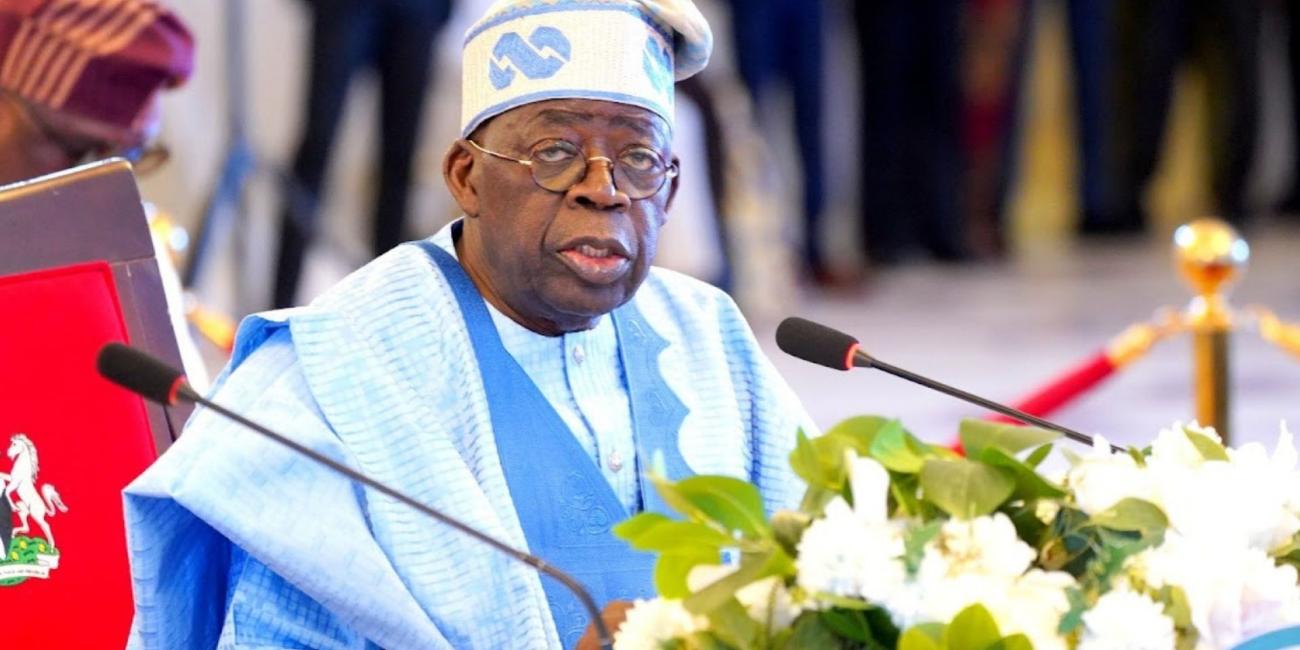
The Minister of Power, Adebayo Adelabu, stated that the government’s liabilities to GenCos may be lower than widely reported, noting that the figures are still being reviewed.
The President Bola Tinubu-led Nigerian government and power generation companies (GenCos) are at odds over the actual size of debts owed within the country’s electricity sector, as ongoing reconciliation efforts continue to produce conflicting figures.
The Minister of Power, Adebayo Adelabu, stated that the government’s liabilities to GenCos may be lower than widely reported, noting that the figures are still being reviewed.
According to him, debts often cited at about N6tn could eventually be reconciled to around N4tn.
Speaking during a press briefing in Abuja, Adelabu said the amount owed remains subject to verification.
He explained, “You asked how much we owe suppliers. I can tell you that the amount we owe GenCos is estimated and is still being reconciled.”
He added that earlier estimates had already been adjusted downward after audits, saying, “When we said N4tn as at the end of 2024, it was audited and agreed at about N2.8tn because of the interest elements and the foreign exchange components embedded in it.”
The minister further noted that discussions with GenCos are ongoing and that the final figure may settle lower than current claims.
“A number of the GenCos have agreed, while some are still discussing back and forth. But now that we are talking about N6tn for the generating companies, by the time reconciliation is concluded, it will probably be around N4tn total,” he said.
Adelabu also disclosed that a significant portion of the debt is tied to gas supply obligations, adding, “What I can tell you is that a proportion of this, which is not less than 60 per cent, is being owed to gas suppliers. So I hope that is clear.”
However, power generation companies have rejected the government’s position, insisting that any reconciliation must involve all stakeholders and reflect jointly agreed figures.
The Executive Secretary of the Association of Power Generation Companies, Joy Ogaji, questioned the basis of the government’s claims and called for transparency in the reconciliation process. She emphasised that all parties must be involved, stating, “We are talking about a bilateral agreement, which means reconciliation of figures should be done by all parties.”
Ogaji also demanded clarity on how the figures were derived, saying, “We want the government to publish how they arrived at their figures and what components formed them. The last time all parties had a reconciliation meeting was in March 2025. So it is important to confirm when another reconciliation was done
She further revealed that, based on discussions with GenCos, no fresh reconciliation taken place since that meeting. “I spoke with the GenCos, and they confirmed that after the March reconciliation, no other reconciliation has been done. So how did the government get its figures from?” she asked.
Ogaji also criticised reliance on a single institution for debt figures, questioning the process. “How can NBET be the only source? Invoice settlement is done by market operations; NBET only pays. The true figures can only emerge after a proper reconciliation. What are we turning the sector into?” she added.
The disagreement highlights ongoing tensions in Nigeria’s power sector, where liquidity challenges and unresolved debts continue to affect operations and investor confidence.