

The ministry of the environment, water and agriculture said the initiative would enhance the “productivity and efficiency in the sector and build a reliable reference database for camels”.
The Kingdom of Saudi Arabia has announced that it will issue passports to the kingdom’s millions of camels, in a move aimed at improving the management of its prized herds.
The ministry of the environment, water and agriculture said the initiative would enhance the “productivity and efficiency in the sector and build a reliable reference database for camels”.
A social media post from the ministry on Tuesday showed the document, described as a green passport bearing the country’s coat of arms and a golden image of a camel, Alarabiya reports.
State-backed broadcaster Al Ekhbariya reported that the passport will “contribute to organising sales and trading operations by regulating commerce and transport, ensuring official documentation, protecting owners’ rights, and facilitating proof of ownership”.
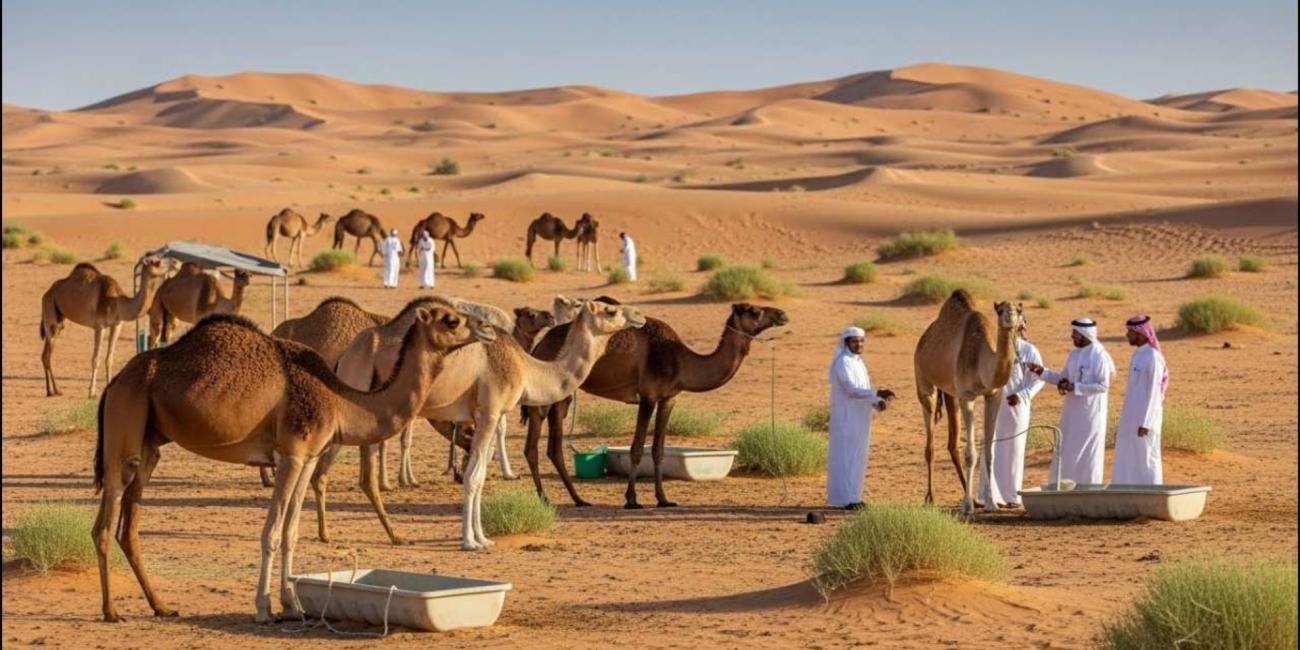
In 2024, the government estimated there were around 2.2 million camels in the kingdom. Camels have long played a vital role in Arabia as a means of transportation, a symbol of status and the backbone of a lucrative breeding industry.
Saudi Arabia also hosts annual camel beauty contests, where enthusiasts spend hundreds of thousands of dollars on animal contestants, sometimes leading to attempts to gain illegal advantages.
Organisers have in recent years intensified efforts to curb cosmetic enhancements, a practice that has persisted despite heavy penalties.
Authorities have particularly frowned upon techniques used to make camels’ lips droopier and their humps more shapely, as they seek to promote a natural appearance.
Camels have been essential to life on the Arabian Peninsula for millennia, with research published in 2021 suggesting life-sized carvings of camels and horses carved into rock faces in Saudi Arabia could be around 7,000 years old.